Lost Machines
Overview
Status:
Released – Q1 2021
Platform – Itch.io
Roles:
Director
Lead Designer
Producer
Programmer
Artist
Lost Machines is a linear 2-D platformer set in a post-apocalyptic world where humanity has died out, leaving their machine creations to fight for the scraps. In Lost Machines, you play as Lilith, a sentient machine that views the departed humans as gods and seeks to reach the heart of Eden. A place she believes holds the key to enlightenment and ascension. Guarding Eden from Lilith is a defense system called Eve. Throughout the game, Lilith must face Eve and her army of angels, as well as the seven corrupted virtues that plague Eden, if she wishes to find and join with her god.
Gameplay Design
I created the preliminary designs for Lost Machines over the summer of 2020. During this time, I brainstormed and sketched ideas for the visuals, enemies, and systems. Once I had narrowed down my ideas, I set to work prototyping the combat and movement systems. I built the game within Unreal Engine 4 and used Autodesk Maya to craft the platforms and Environmental elements. I also created, rigged, and animated the characters within Maya. I used Substance Painter to create the textures for all of the game’s assets. I spent 2 months in pre-production and 6 months in active development.
The Bosses of Lost Machines
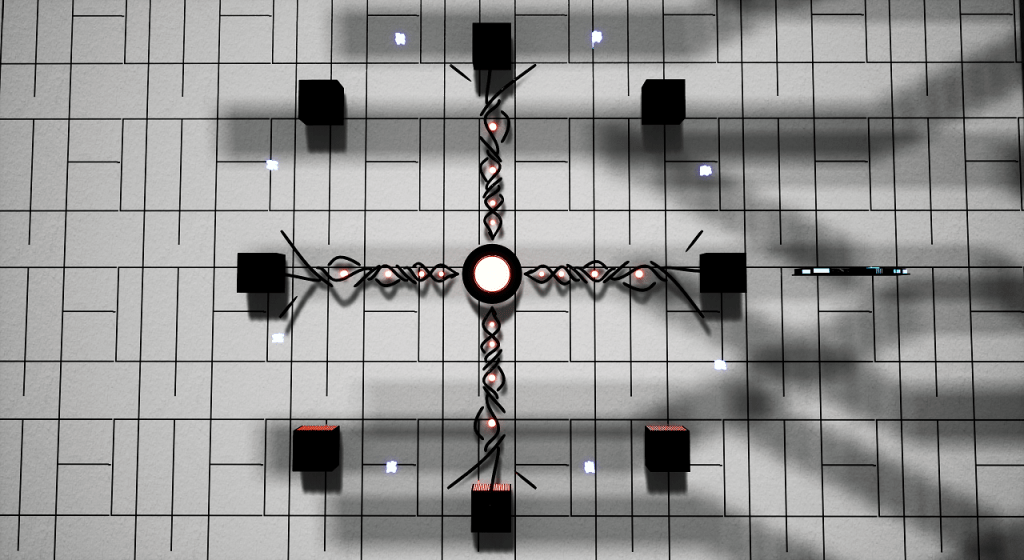
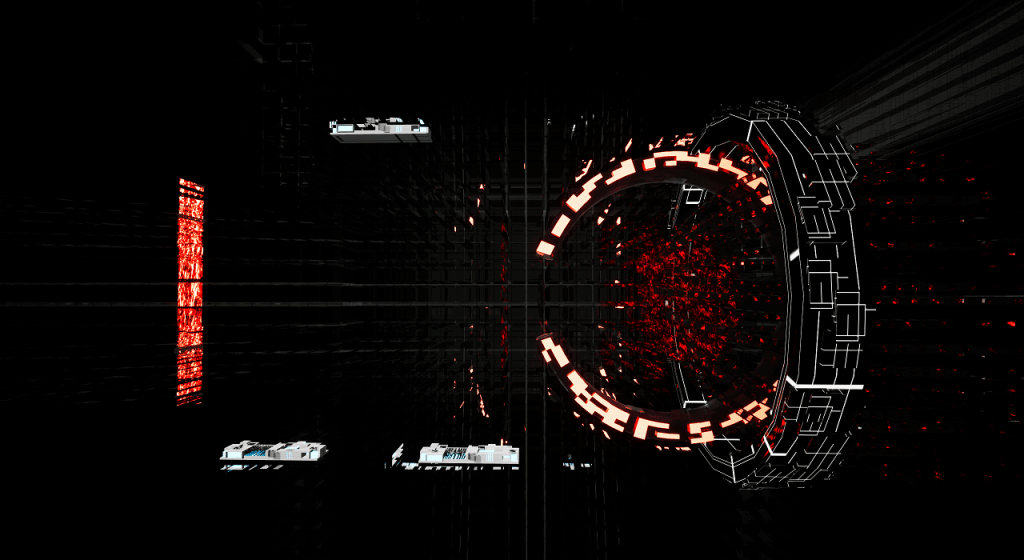
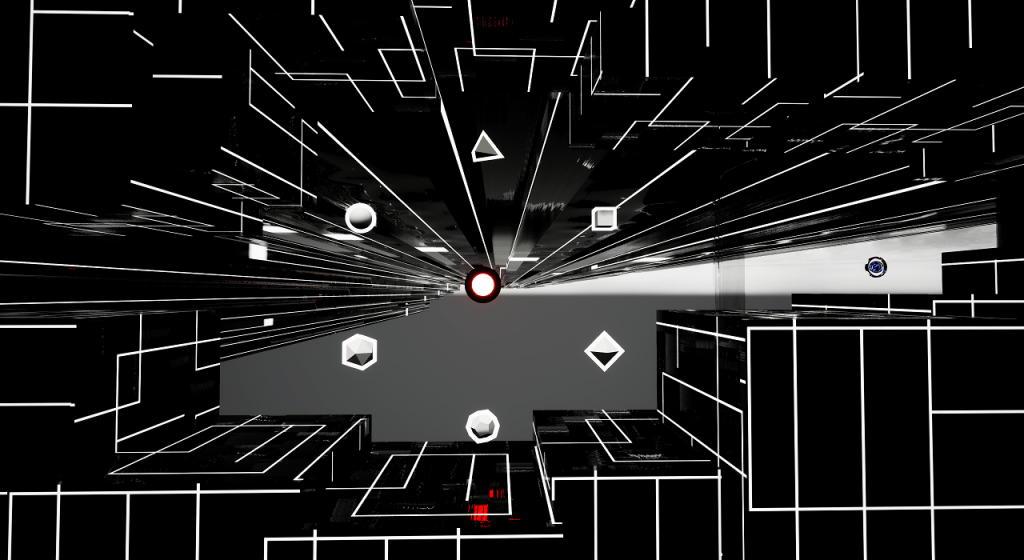
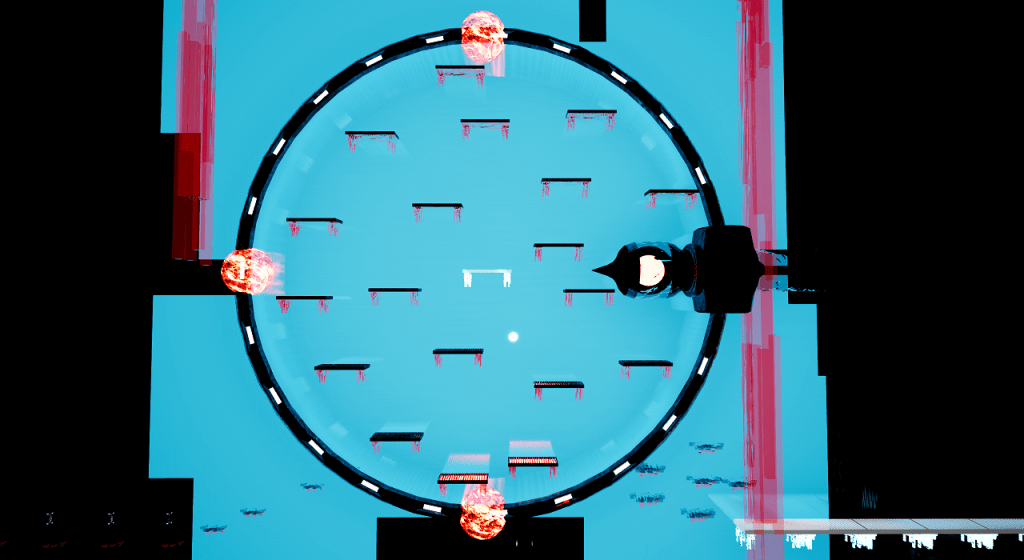
- Lost Machines features nine bosses. Seven of them are named after the seven heavenly virtues. These bosses represent the sins that are the antithesis of these virtues. As a design challenge, I tried to make a solution for each boss that embodies the virtue they were named after.
- Patientia (Patience): One of the potential first bosses the player could fight. This boss had a high degree of mobility and required the player to maneuver around some fixed platforms to avoid the bullet hell onslaught of Patientia. Most of the time, Patientia’s core was cloaked with a shield, but if the player remained patient, the shield would go down for a brief window during which time the player could damage the boss.
- Caritas (Greed): The other potential first boss, depending on the route the player took in the first level. This boss remained stationary and fired a constant stream of tracking projectiles at the player. It also had a massive blade that it would use to swipe at the player. The Arena consisted of breaking platforms, so the player would have to keep moving as they destroyed platforms and waited for new ones to spawn. The key to overcoming this boss was to allow it to exhaust itself without fighting back.
- Diligentia (Diligence): This boss was found in the second level and featured a design similar to a Ferris Wheel. The player would need to jump between the rotating platforms as they spun around the boss. These spinning platforms slowly damaged the player, so it was in the player’s best interest to remain airborne for as long as possible during the fight.
- EVE: The final boss of the second level. The EVE fight featured several moving platforms that rose and fell while EVE shot projectiles at the player. Occasionally, EVE would fire a telegraphed energy beam at the player’s last known location that the player would need to avoid by riding one of the platforms above or below the beam.
- Humilitas (Humility): This boss was fairly simple in terms of design, as it would continuously fire different-strength projectiles at the player. Despite its simplicity, its health and damage output made it incredibly challenging. The most efficient way to get past Humilitas was to accept the help of an outside influence that significantly buffed the player. This design choice was made more for narrative reasons than strictly for gameplay.
- Castitas (Chastity): This was an optional boss in level five. This boss would rotate around the player and try to stab at them with a large weapon. The quickest way to defeat this was to use Lilith’s parry ability to block the giant weapon and deal significant damage directly to Castitas.
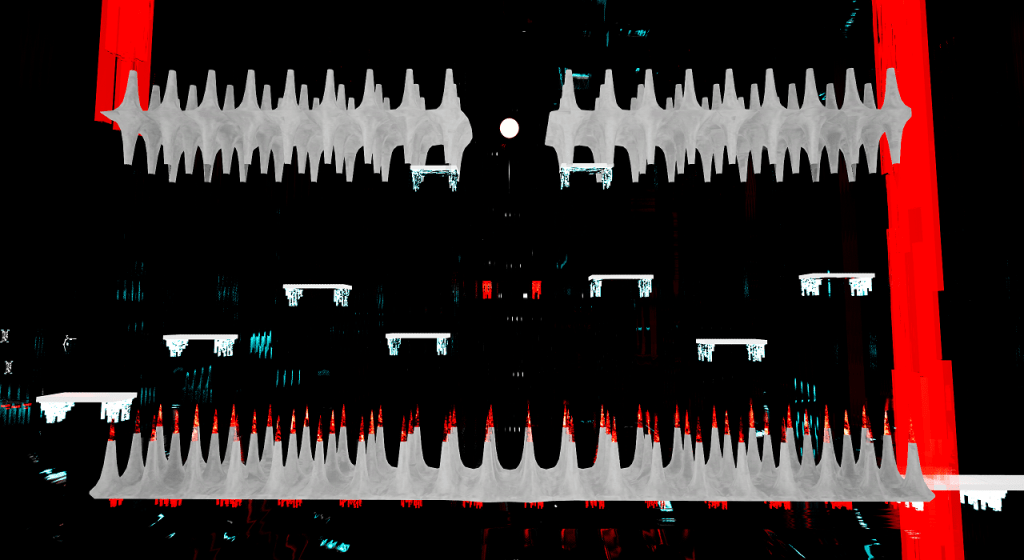
- Temperantia (Temperance): This was the other optional boss in level five. Temperantia featured a set of large jaws that would try to crush the player. Temperantia would be vulnerable to damage when its jaws are closed, so getting somewhere safe before they did was paramount to both avoiding damage and dealing it.
- Humanitas (Kindness): This was the final boss of level six. Kindness was less of a boss and more of a social encounter. Defeating Humanitas in combat was very challenging. It was far easier to be nice to the giant robot, and it would allow the player to pass.
- Eve: The final boss of Lost Machine is an optional boss, much like Humanitas. Eve will give you the choice to join her and reject your quest for humanity, or to choose humanity and fight her. During the fight, Eve will spawn columns of light that the player will need to stand between to avoid damage. Eve will also shoot large, powerful projectiles that allow the player to remain mobile across the battlefield when the light pillars aren’t active.




Combat:
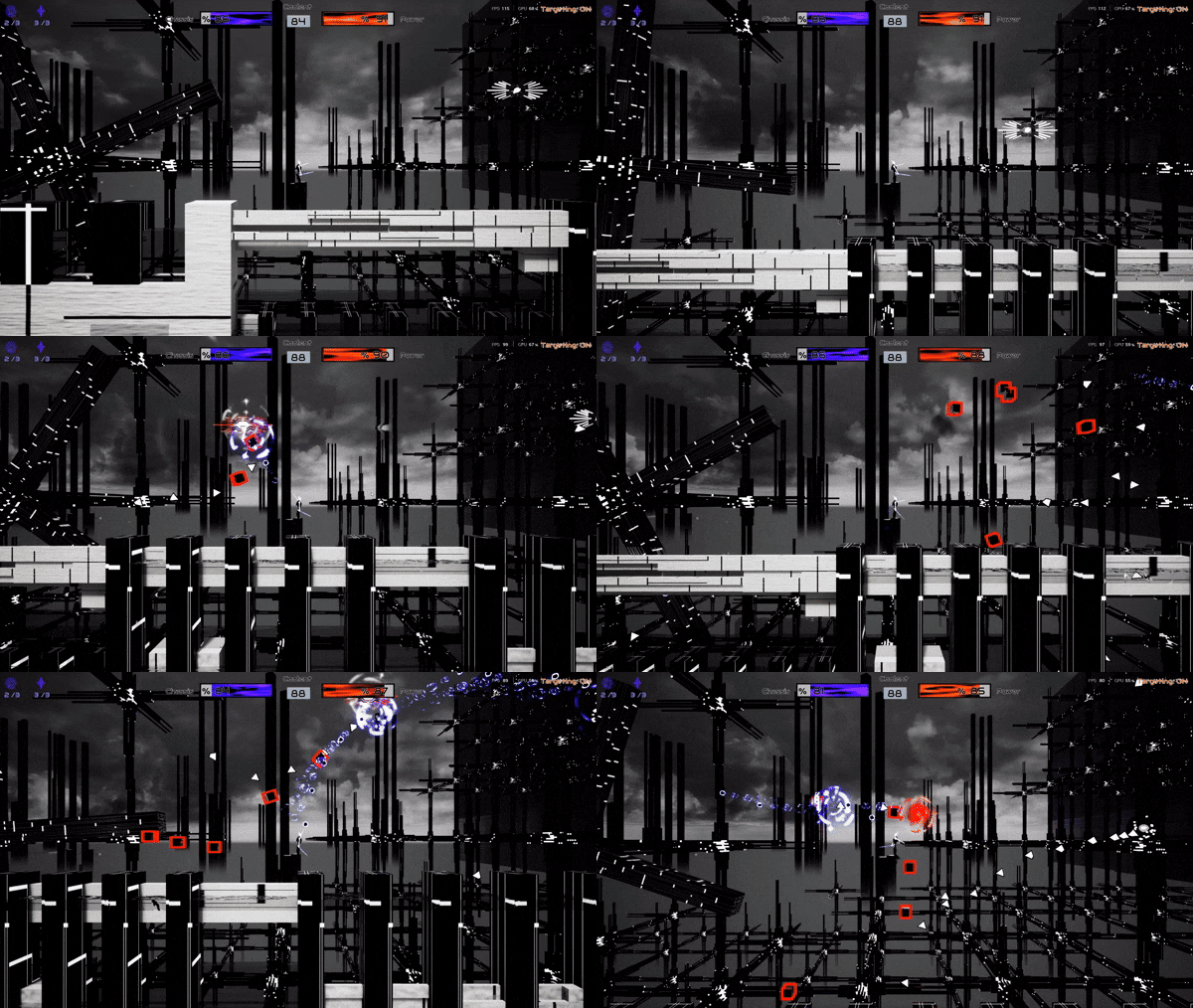
The primary combat system was designed in tandem with a pseudo-stealth system. Basic enemies would check if the player was within a certain proximity to them. If they weren’t, the enemies would remain passive. If an enemy detected a player within proximity, it would enter an alerted state. It would then stay in this state for a fixed amount of time before attacking the player with ranged projectile attacks. During this brief window before it started attacking, it is vulnerable to the player’s sword attack. I designed the system to encourage player aggression against basic enemies by rewarding the player for closing the distance before an enemy was fully ready.
Movement & Abilities:
I decided to keep the movement mechanics of Lost Machines fairly simplistic. I experimented with and settled on a floaty triple jump. This choice meant that any difficulty in the platforming would come down to managing the momentum of jumps and spacing them out to achieve the proper height and distance. I also added power-up abilities to aid the player in damage avoidance and damage dealing. These power-ups came in the form of a temporary shield that blocked all basic projectiles and an enhanced blade attack that both dealt more damage and could also be used to parry projectiles. Power-ups existed as pickups the player could find in the levels, and then expend to activate the ability.

Platform & Encounter Design:
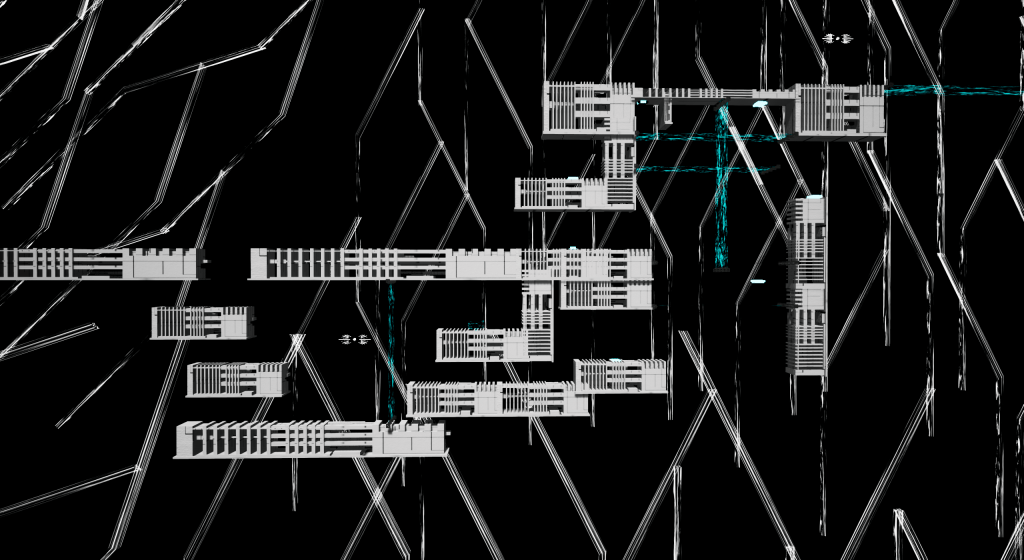
In addition to enemy and boss encounters, I decided to add environmental encounters that the player had to deal with to progress. One of the simplest was platform interaction. Some platforms dealt damage if the player stayed on them too long. Others broke after a few seconds. Others rotated and forced the character to keep moving or be flung off into the abyss. All of these platform encounters served to keep the player moving and traversing the levels as quickly as possible. In contrast, I also made simplistic puzzle encounters that forced the player to stop and consider their options. The puzzles would involve a series of buttons that activated and deactivated energy platforms. The player was required to find the correct sequence to activate and deactivate platforms to access the next region of the level. Occasionally, enemies would be present near these puzzles, forcing the player to either deal with the enemies or solve the puzzle fast enough to avoid them entirely.
Level Design
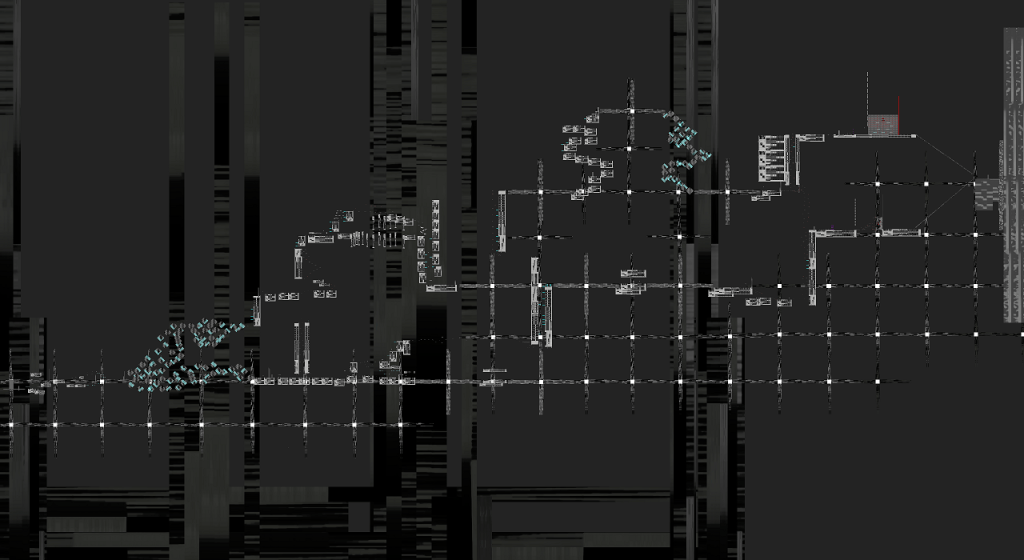
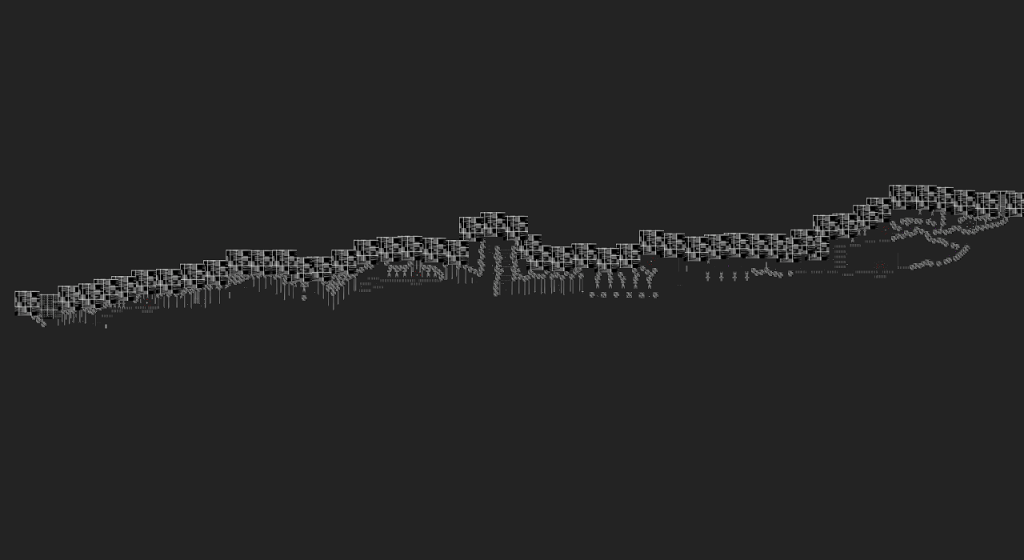
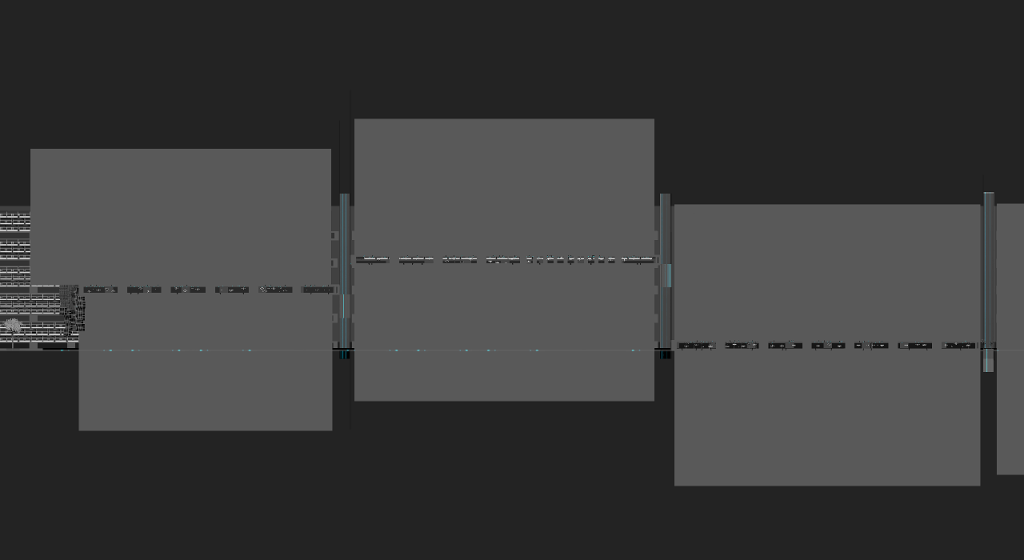
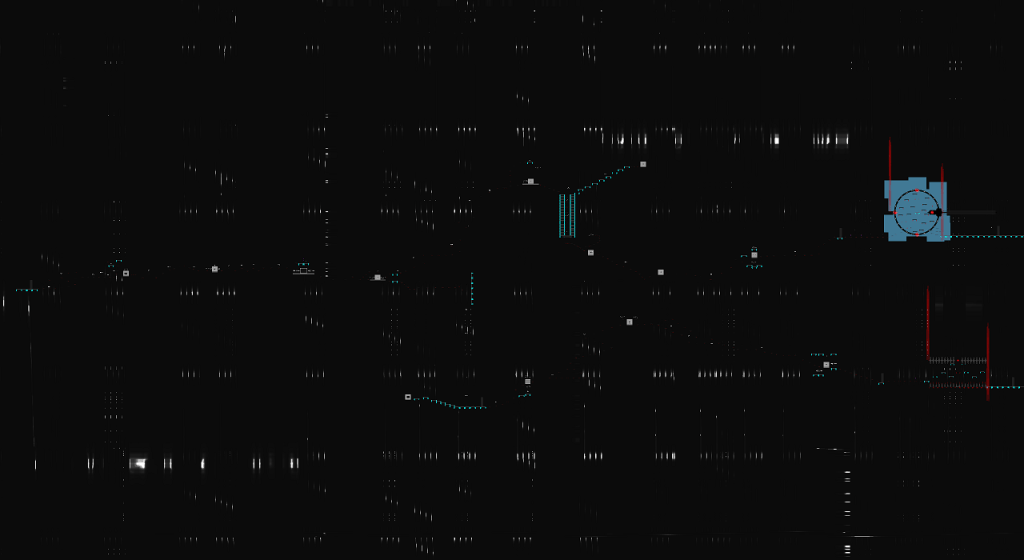
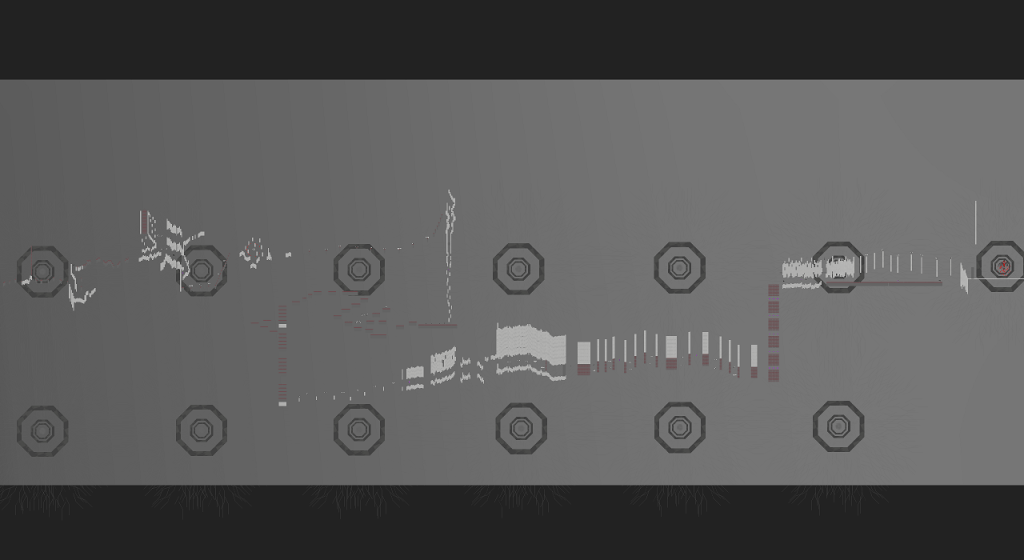
My level design philosophy for Lost Machines was not optimal. I rarely used white boxing, instead opting to use completed art assets to kitbash together levels without sufficient forethought. I had made a series of different platform types and had an idea of how each level should play, but I didn’t formalize my thinking into a process. The lack of a process resulted in levels that were too large at times and contained tangents from ideas I thought were cool at the time, but didn’t serve the overall goals of a given level.

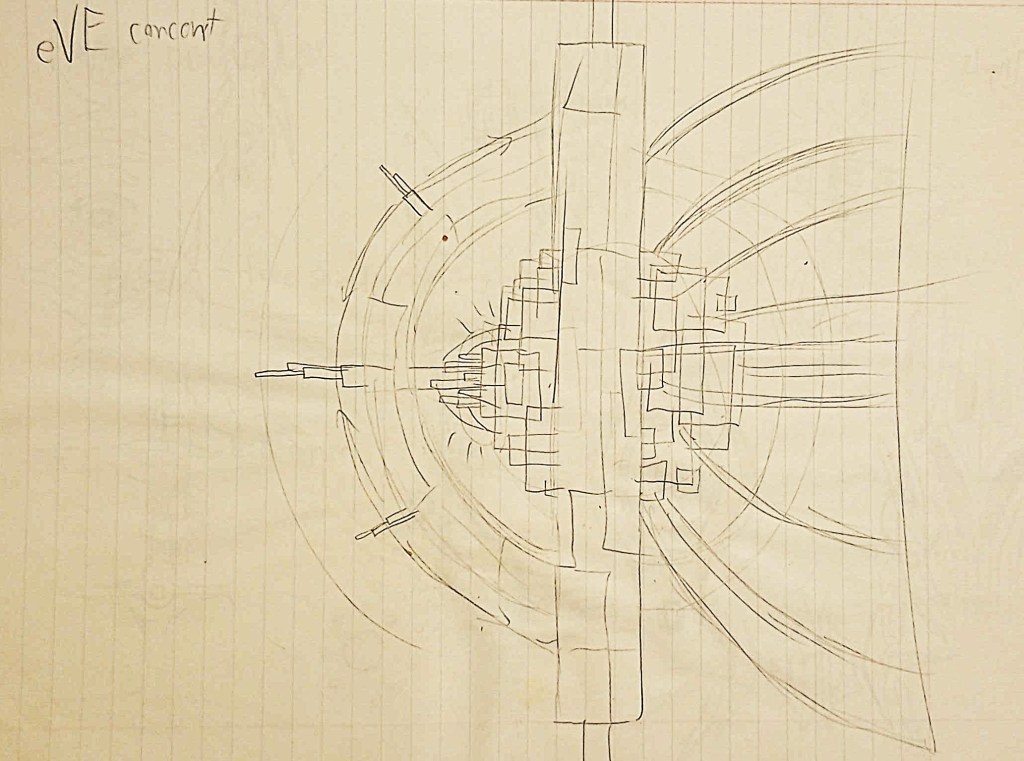
Paper Design:
During the summer of 2020, I worked on the paper design for Lost Machines. I would sketch out designs and concept art for the enemies, platform designs, boss encounters, and a brief design for the overall level structure of the game and boss placement.
Scripting:
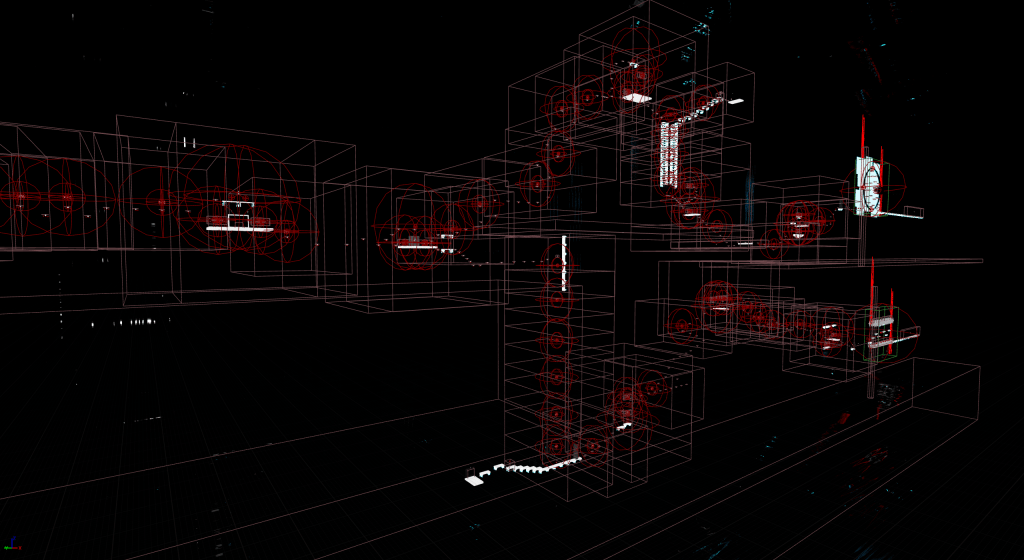
The level scripting for Lost Machines involved adding enemy encounters, boss encounters, special platforms, puzzles, and save points. I would go through the levels in passes, adding each of these elements in turn. I would make sure to frequently play-test encounters to ensure everything was working as I had intended. I would also add terminals and story elements at this stage to either foreshadow bosses or provide exposition regarding the state of the world.


Visual Style:
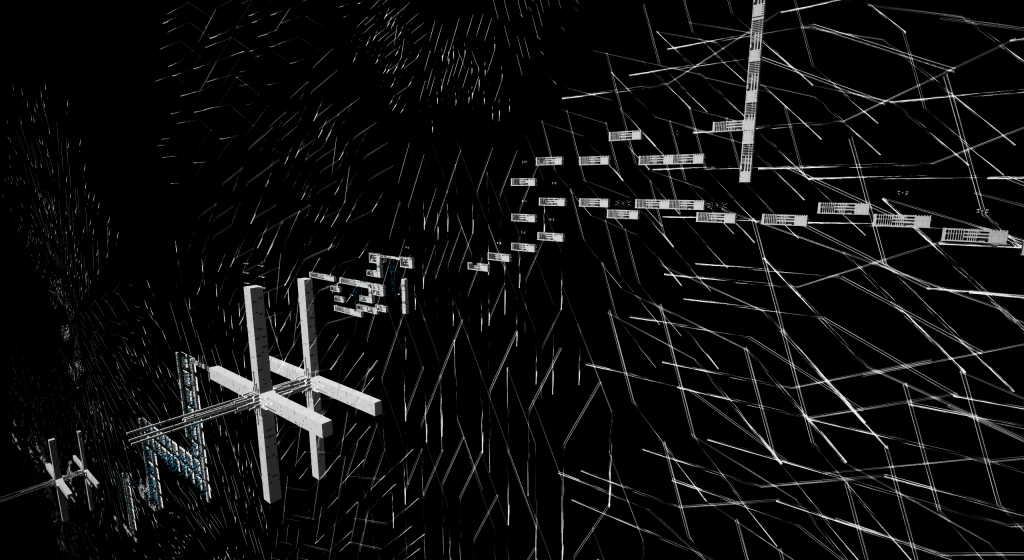
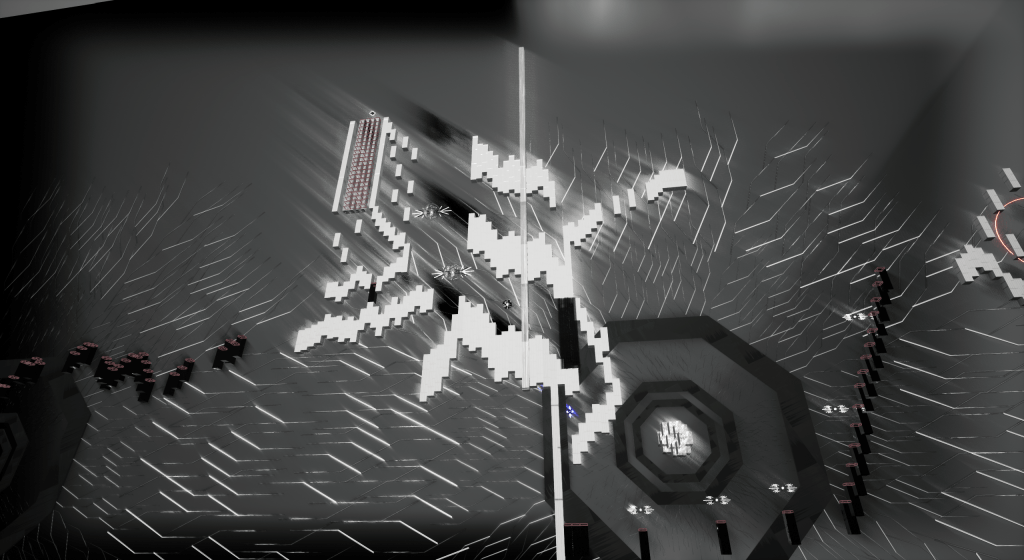
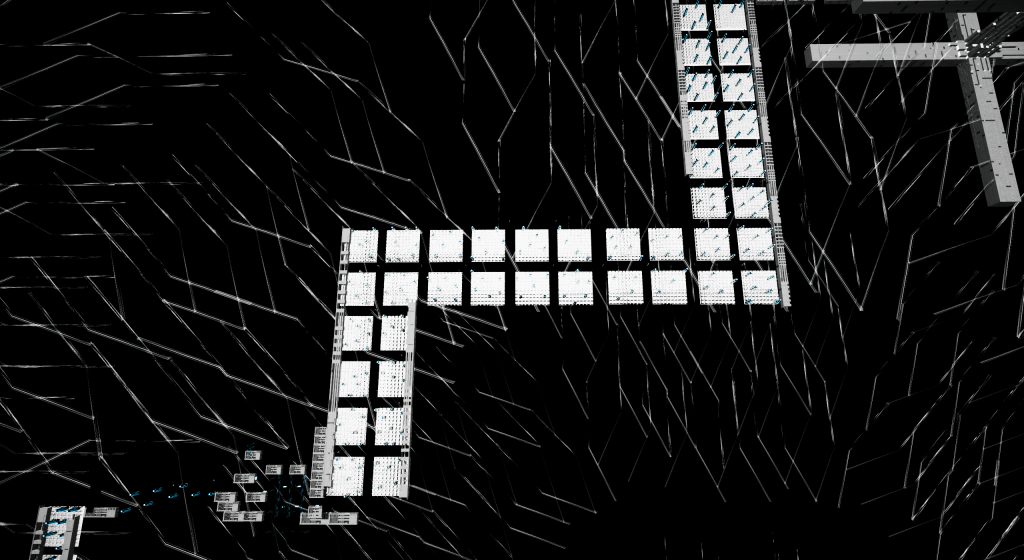
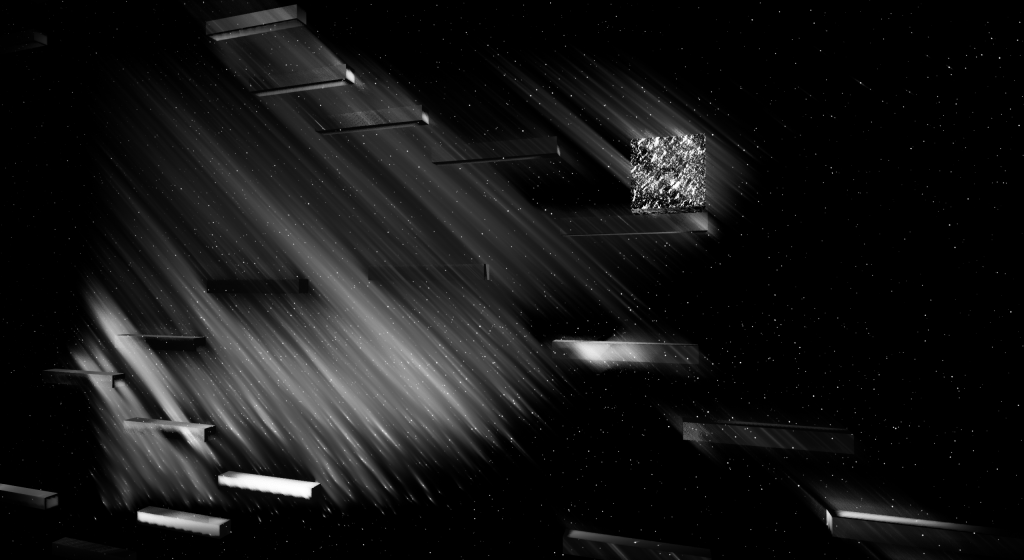
The visual style of Lost Machines was heavily inspired by games such as Nier Automata. I really wanted to use cold industrial forms reminiscent of giant computer chips, motherboards, and heat sinks. I used a muted color palette to evoke the sterile nature of Eden. The color I did use was, in large part, reserved for threats, rewards, and the player character herself. I would use red on threatening platforms, such as damaging or breaking platforms, to indicate their danger. Red was also frequently used for enemies and bosses for the same reason. I used blue to indicate positive elements in the world. Pickups and terminals had blue incorporated in their design. I used blue somewhat more liberally, as some design elements and platforms that were neutral contain blue.
 Yiorgos Bereveskos