
Project Horizon
Chesslike Card Battler
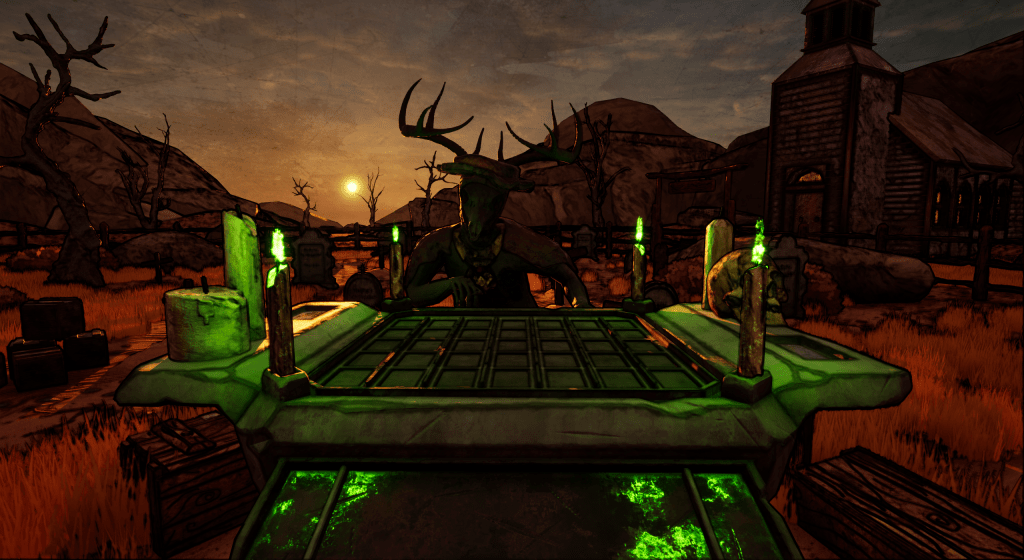
Project Horizon is a card-battle, deck-builder set in a wild west ghost town beset by animal-headed demons.
It features a card battle game where each card type has a movement archetype that dictates how it can traverse the board. These movement archetypes, inspired by the piece movement in chess, create a highly dynamic and tactical card-battle experience.
Project Status
Unreleased – Paused
Roles
Director
Card Game Designer
Gameplay Designer
Card Types
Three variables determine the power of an individual card. Its health stats determine how much damage it can take before being destroyed. Its attack stat determines how much damage it deals to other cards when attacking. Its movement archetype determines how it can traverse the board. A mix of card archetypes creates the most dynamic interesting games.
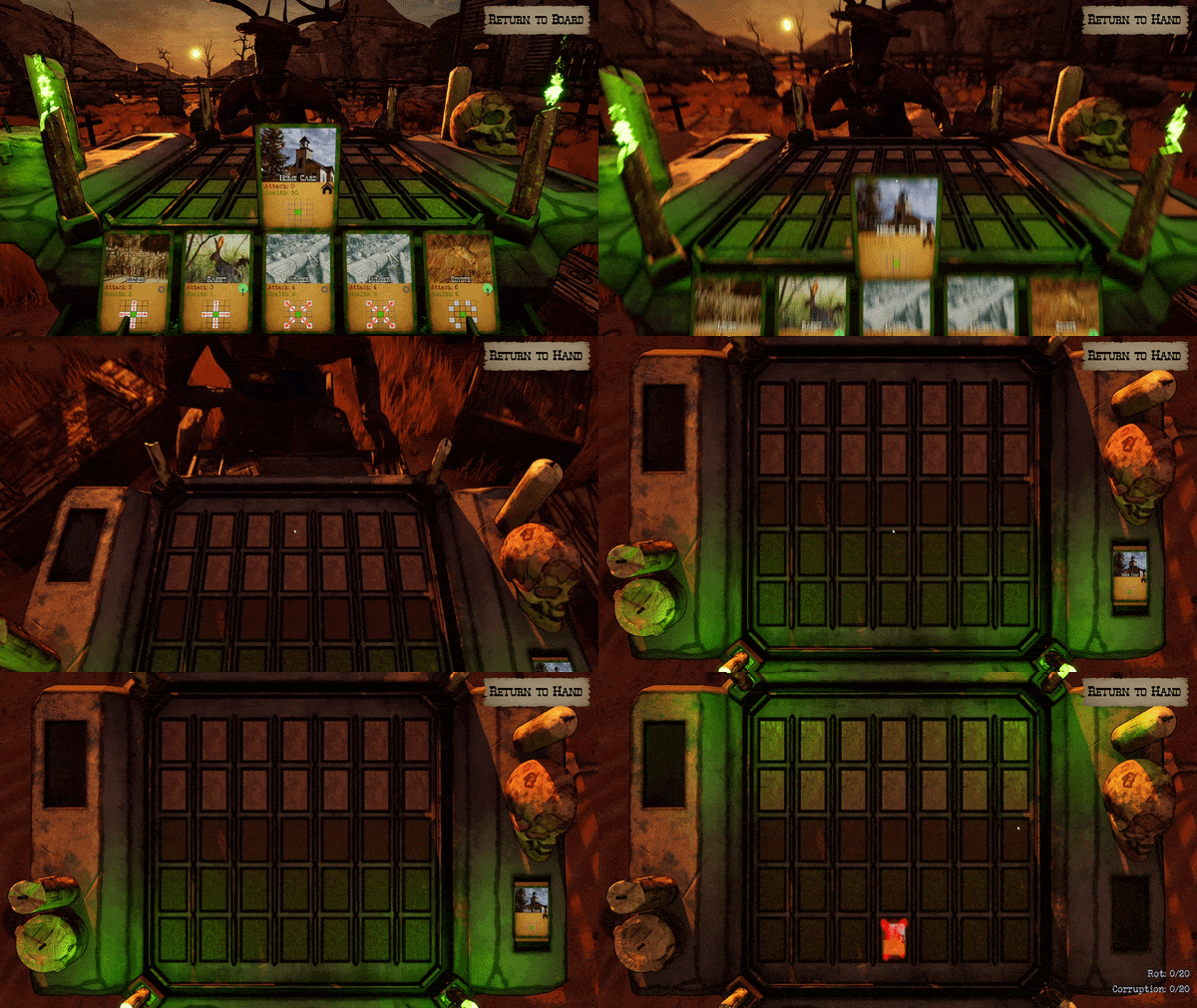
Home Card
Each side has a home card that they must defend.
Summoning Cards
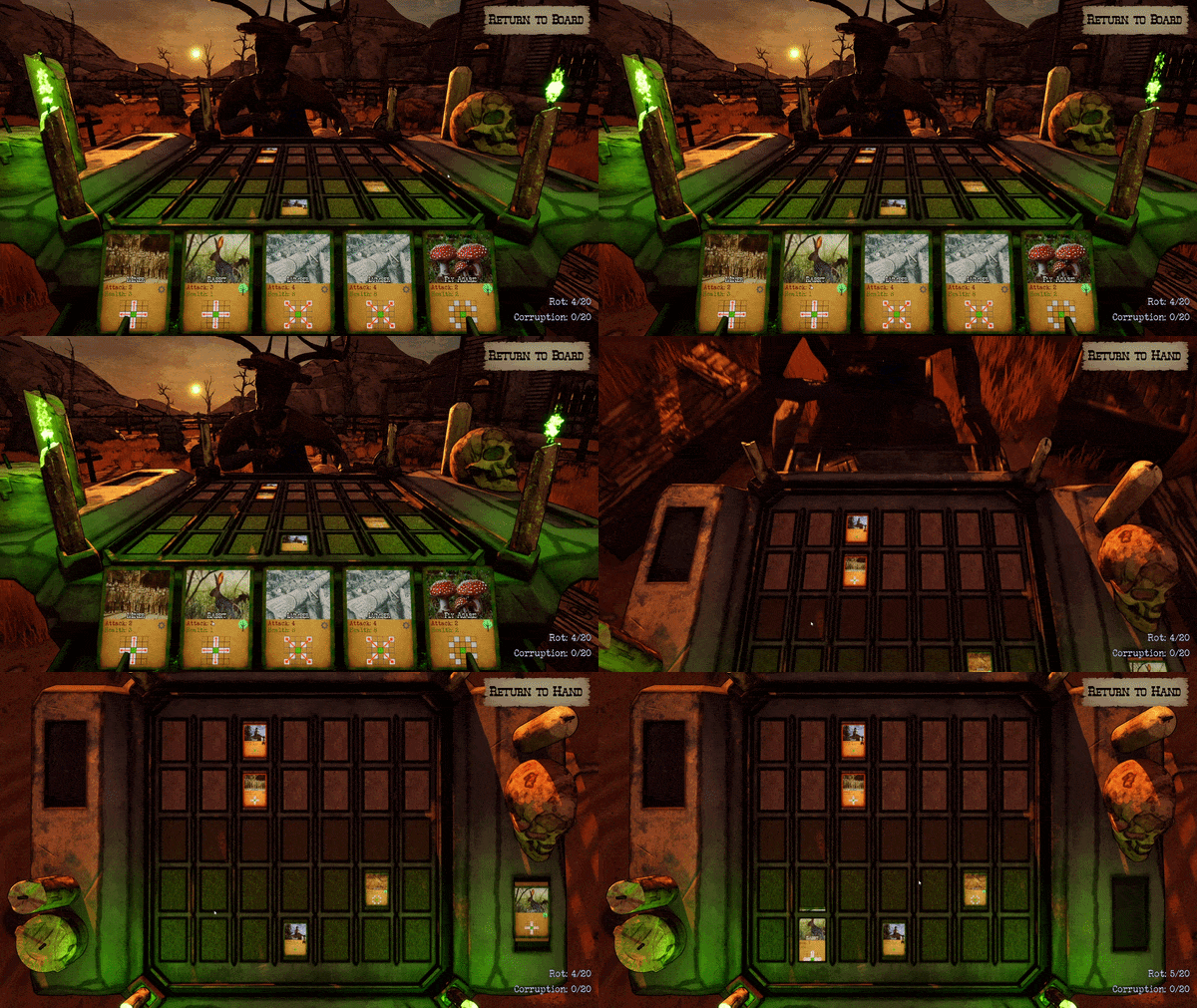
At the start of a turn, a player summons one card from their hand.
Moving Cards
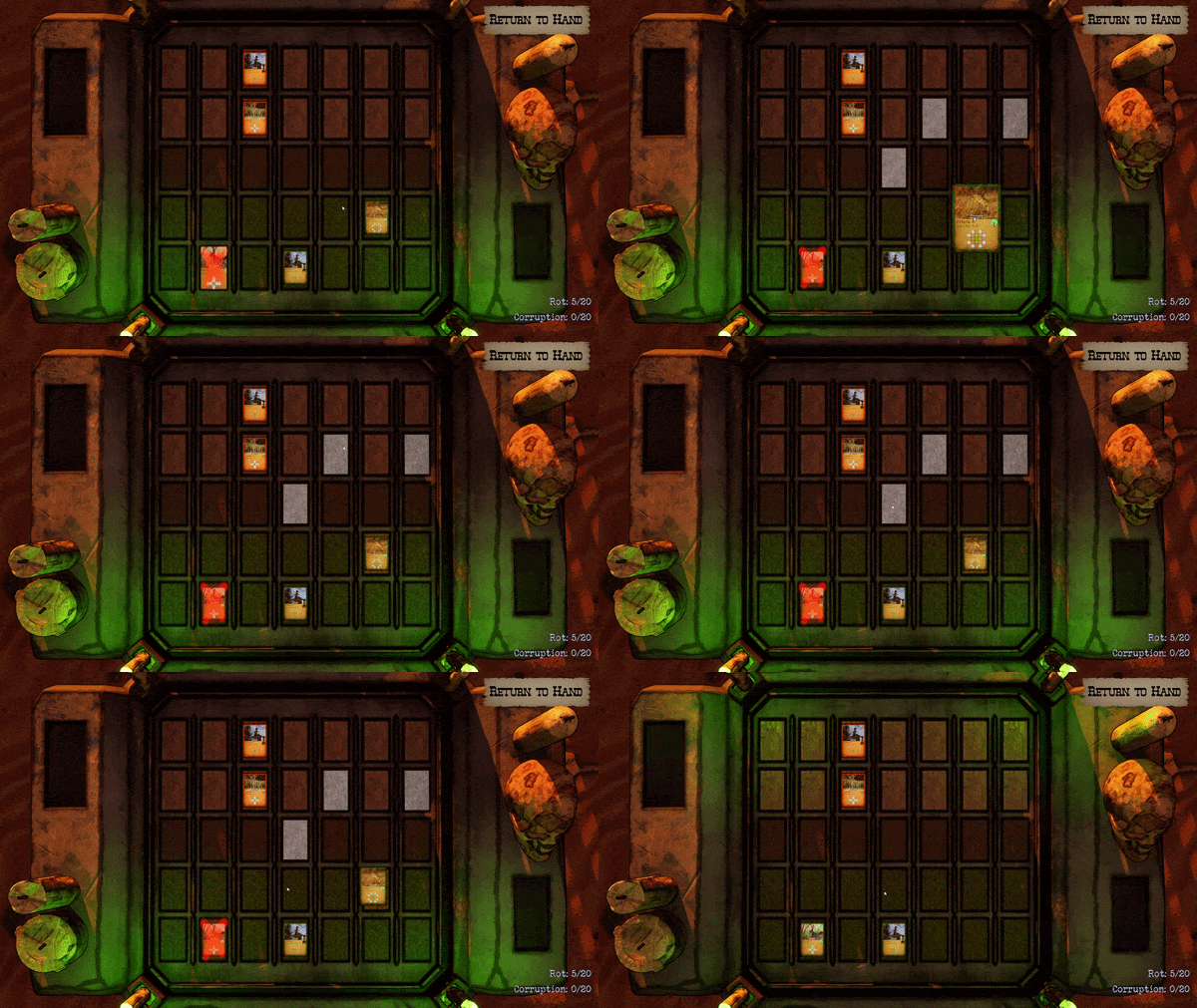
After summoning, the player can moved one card to a new tile.
Attacking Cards
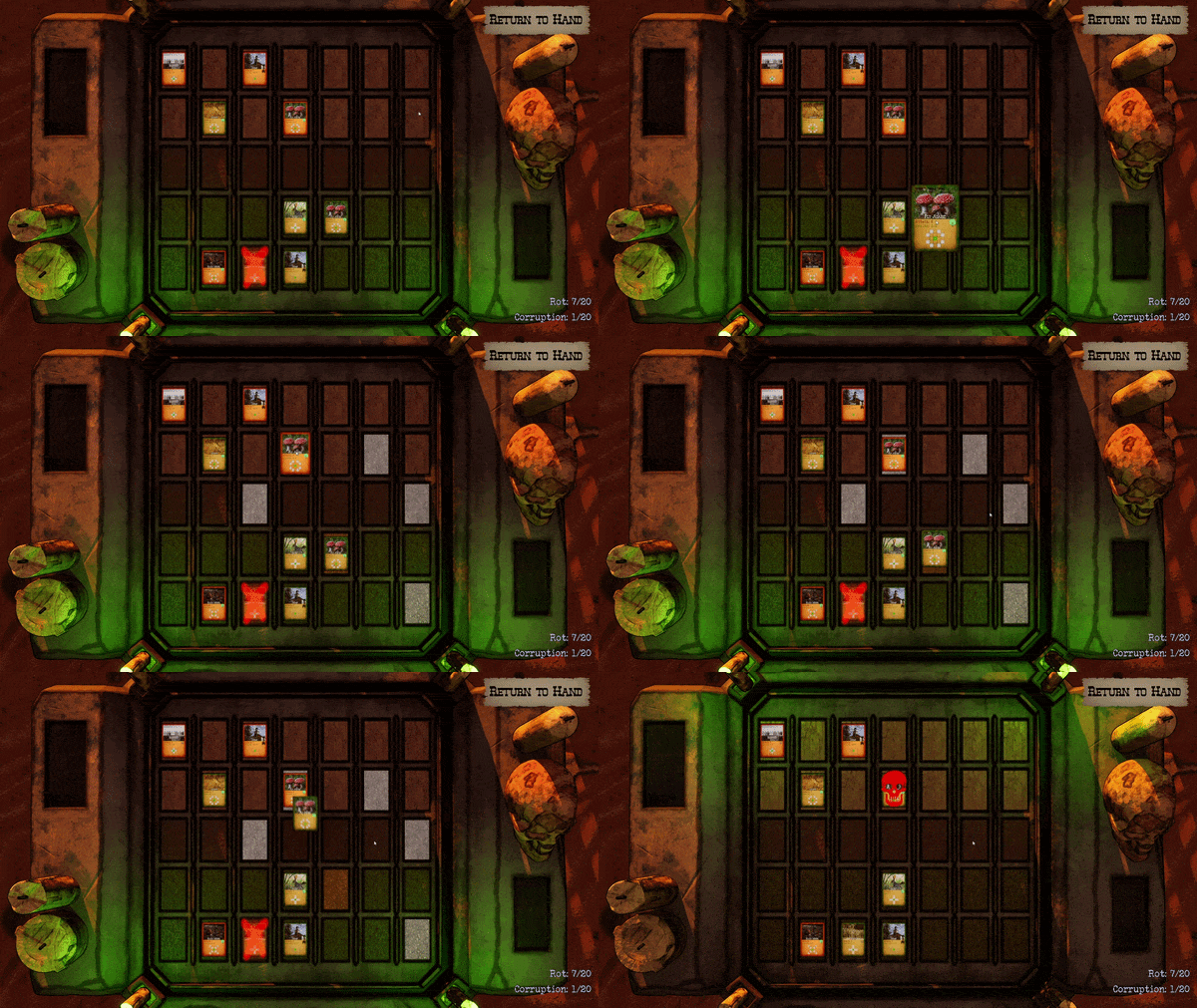
If the new tile is occupied by an enemy card, the moved card will attack.
Card Battle Breakdown
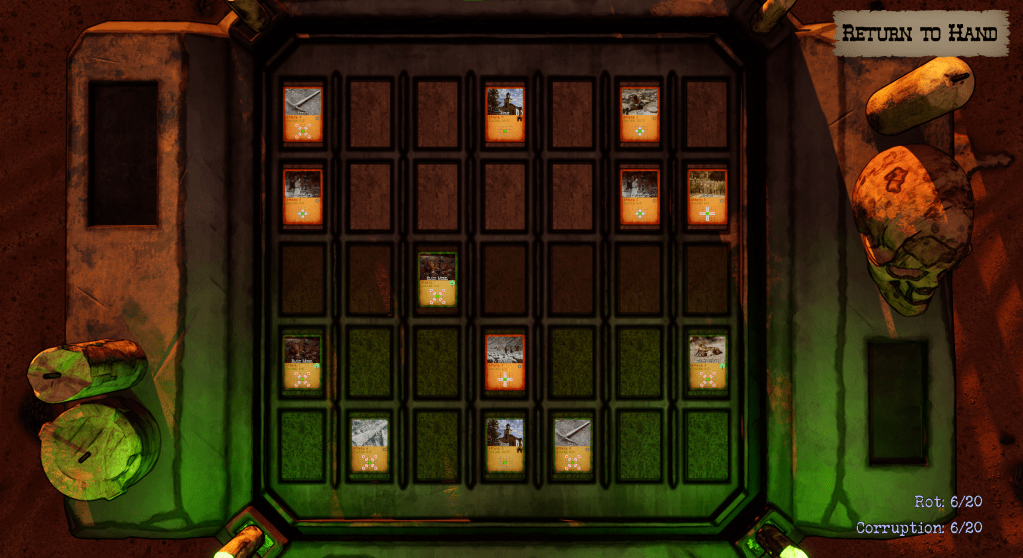
Project Horizon’s card battle gameplay takes place on a chess-like board. The game starts with the player and their opponent placing their home cards on the board.
The player and the opponent then take turns playing a card from their hand, then moving one of their cards to a new tile. If this new tile is occupied, the attacking card deals damage to the existing card. If the attacker deals enough damage, it destroys the existing card and replaces it.
The goal of the game is to deal enough cumulative damage to your opponent’s home base card to destroy it.
Paper Design
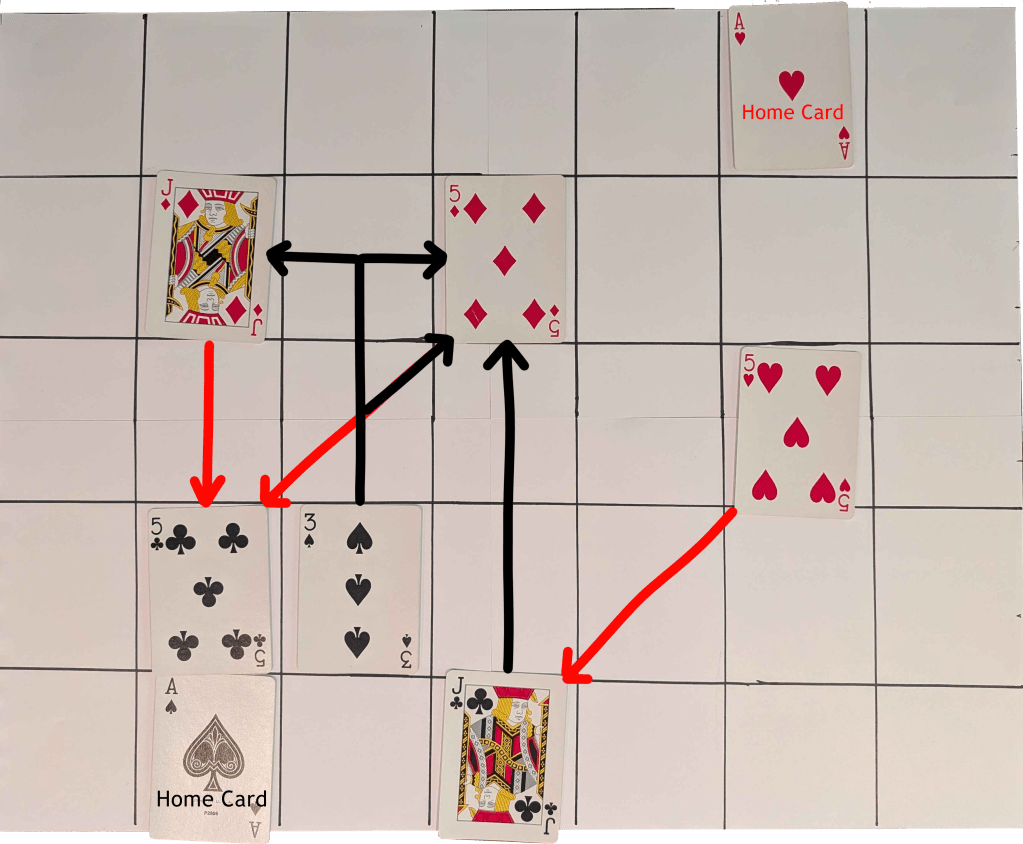
I created a physical board with a 7 by 5 grid and used playing cards to simulate possible gameplay scenarios.
I was inspired by strategy games like chess and experimented with basic card-movement idea where each card had a movement archetype like a piece in chess.
Documentation
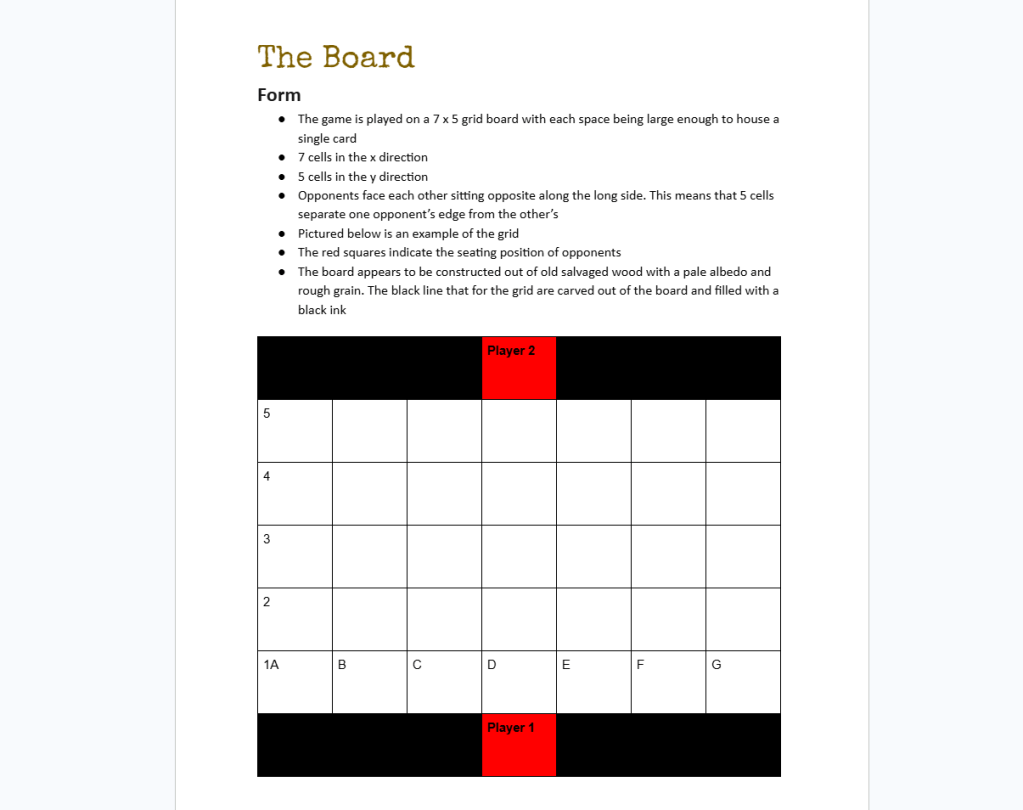
I documented the core loop and expanded the movement ranges of cards to allow for more dynamic gameplay positions.
Throughout development, I continuously updated the design document, adding and refining gameplay ideas and systems to align with insights gained from the development.
Prototyping
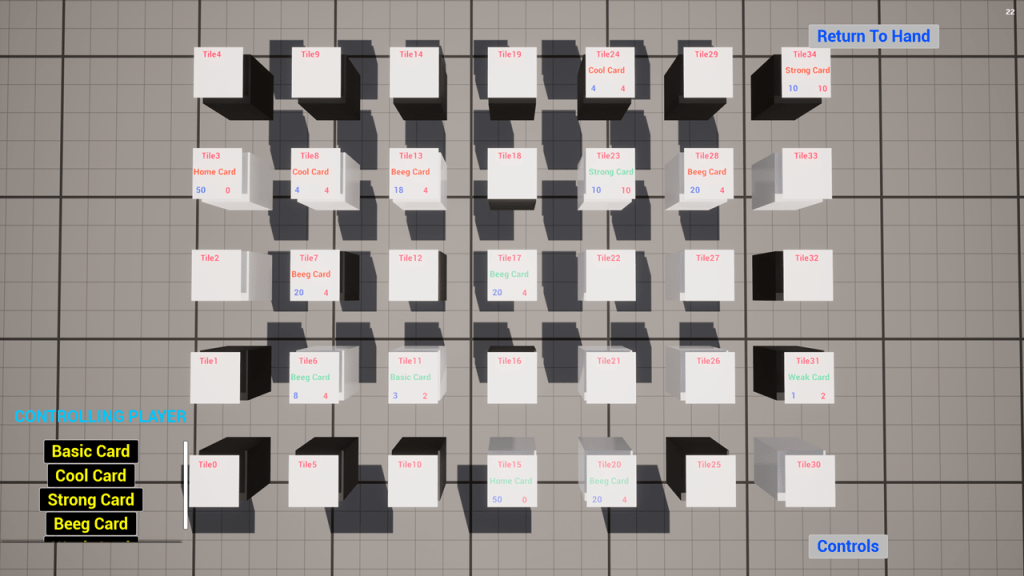
I worked with a programmer to construct a basic prototype that allowed the player to move a card in accordance with the card’s movement archetype. For testing purposes basic enemy logic was added that would randomly select and move an enemy card.
Position Evaluating AI
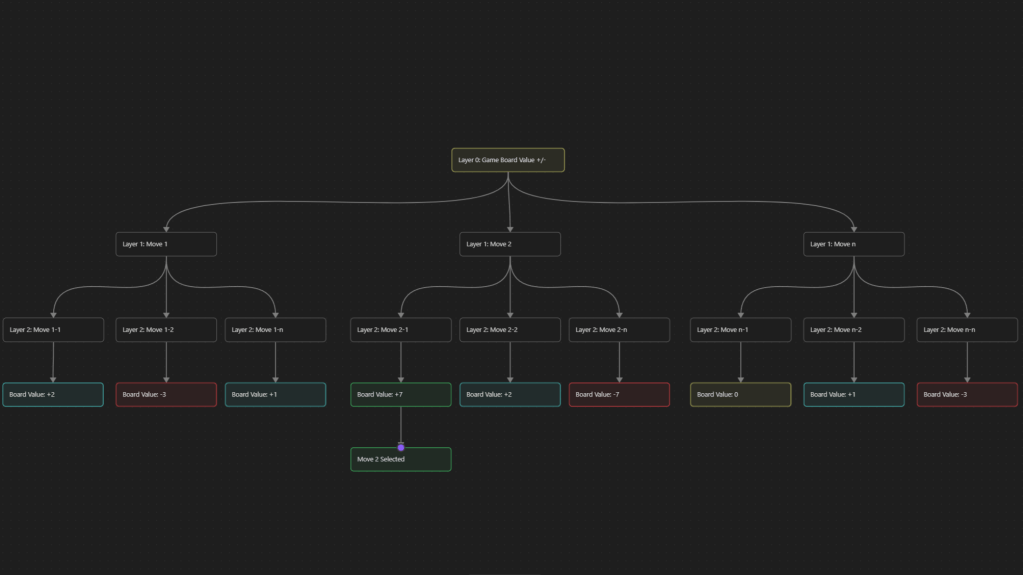
The next step was constructing a semi-intelligent opponent for the player to face. This involved assigning subjective values to cards and then evaluating the board state. The AI then searched all branching moves out to a depth of 3 turns to find the move that would result in the highest board state value for the AI.
Prototype Polish
I then added visual feedback such as card selection, movement potential, damage effects, death effects, card animations, and sound effects to polish the prototype into an accessible proof of concept.

